
From Hype to Heartbreak: How Bugs Derailed Some of Gaming’s Biggest Launches
Video game industry failures highlight how buggy launches and technical issues can devastate sales and reputations of major releases.
It has been a turbulent decade for the video game industry. With developers pushing the boundaries of hardware and software, ambitious titles often launch before they are truly ready. Glitches, performance drops, and game-breaking bugs have plagued more than a few high-profile releases, turning anticipated blockbusters into cautionary tales. In 2026, we look back at the titles where technical failings not only soured player experiences but also sent sales numbers plummeting.
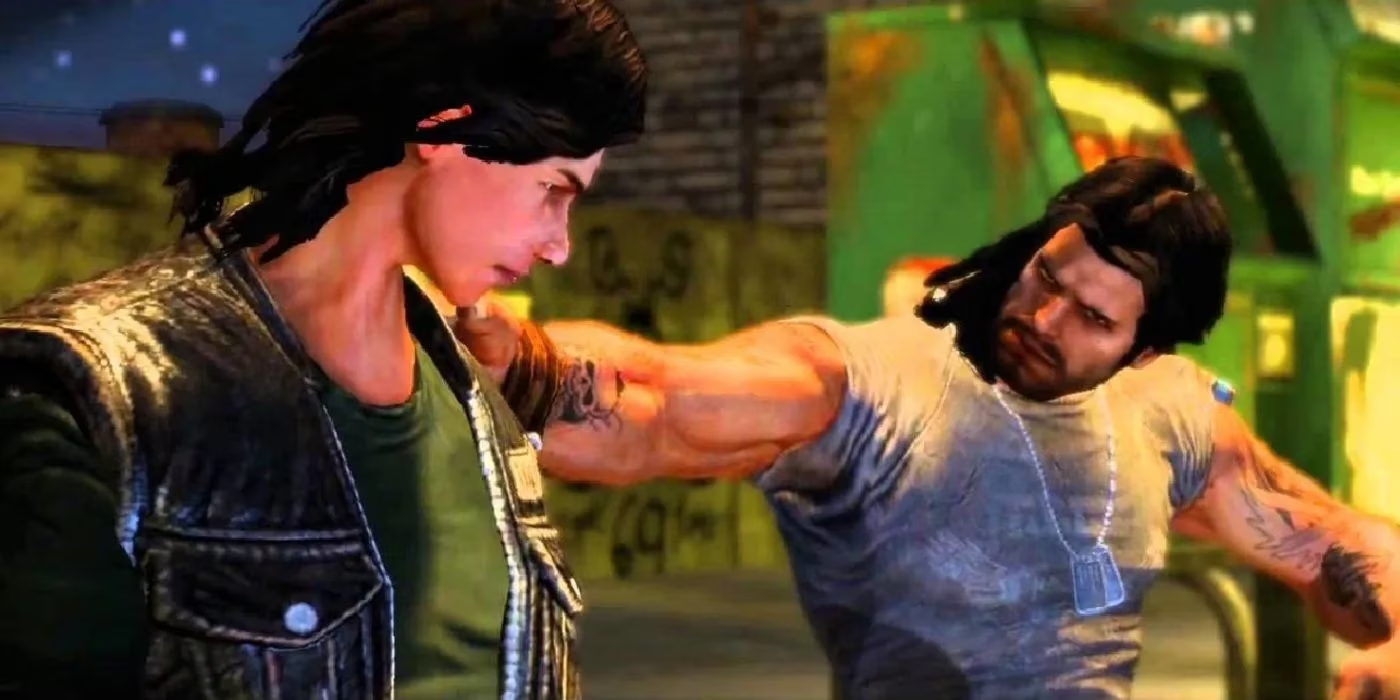
Ride to Hell: Retribution remains a notorious example. When this Vietnam War revenge saga roared onto PlayStation 3 and Xbox 360, it was less a thrilling biker drama and more a showcase of broken mechanics. Animations would stutter, enemies clipped through geometry, and audio desynced so often that the storytelling became unintentionally comedic. Critics eviscerated it, and according to a GameFaqs forum leak traced back to a Gamestop source, the title may have sold as few as 27,000 copies. More than a decade later, it serves as a benchmark for just how wrong a game can go at launch.
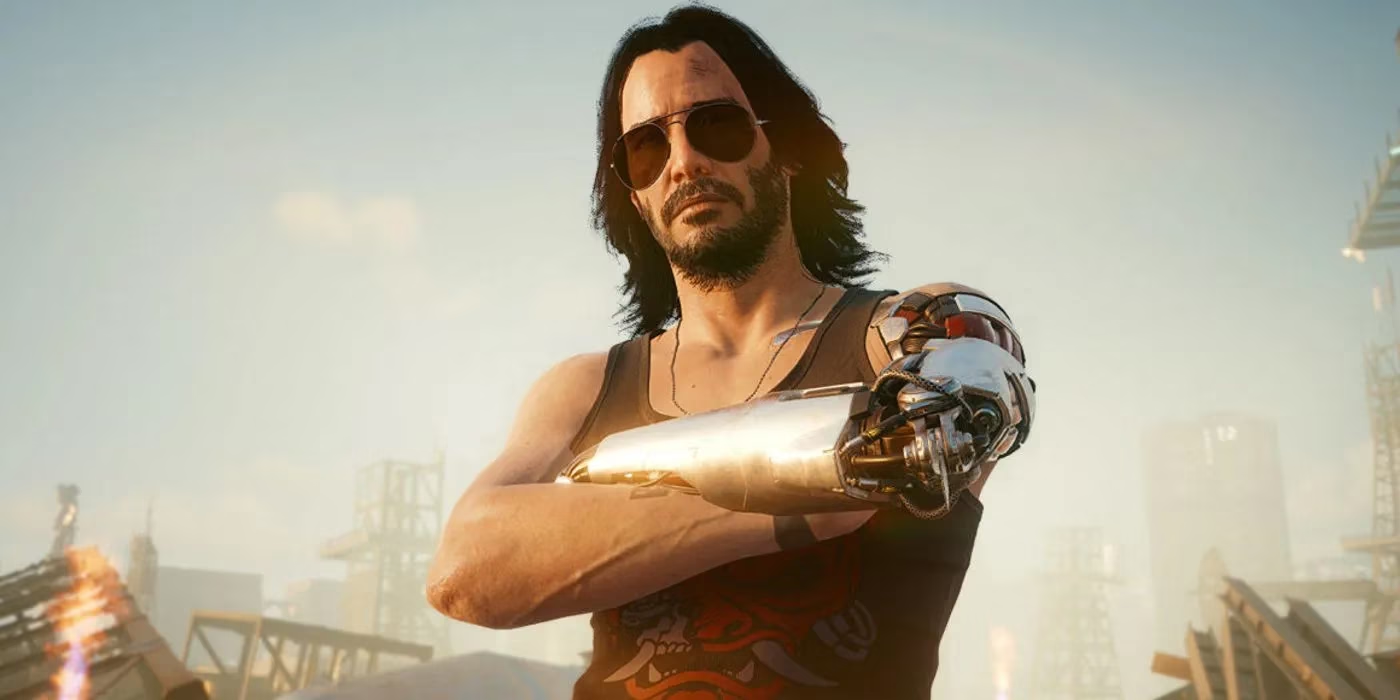
Few disasters matched the cultural earthquake caused by Cyberpunk 2077. CD Projekt Red promised a living, breathing Night City, but the December 2020 release delivered a cascade of crashes, T-posing NPCs, and questline-fracturing glitches. The fallout was immediate: Metacritic scores dragged the company’s stock down by 9.4%, and Sony famously pulled the game from the PlayStation Store. Sales did recover over time—buoyed by a relentless patch cycle and the 2023 Phantom Liberty expansion—but the initial reputational damage was done. In an era of instant gamer feedback, a broken launch can permanently alter a studio’s standing.
Haze is a title many newer players may not even recognize. Developed by Free Radical Design—the minds behind the beloved TimeSplitters series—this futuristic shooter was supposed to jump-start a new franchise on PlayStation 3 in 2008. Instead, bugs and performance hiccups left it gasping for air. Selling less than 500,000 units, it was utterly overshadowed by Fallout 3 that same year. The missed opportunity was so severe that plans to port it to other consoles were scrapped, and the developer’s momentum never fully recovered.
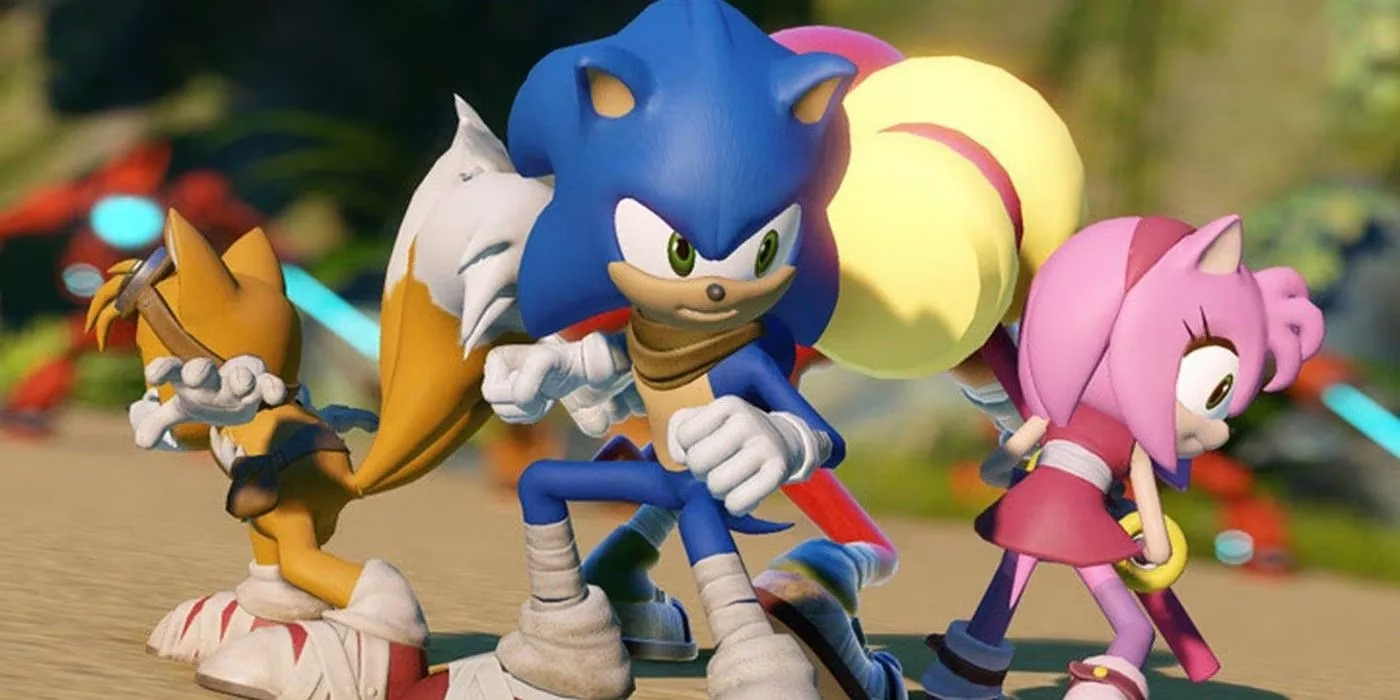
Even iconic mascots aren’t immune. Sonic Boom: Rise of Lyric was the blue blur’s ill-fated reinvention on the Wii U. Big Red Button attempted a fresh, more explorative take on the franchise, but the game shipped with glitches that broke its own physics system. Characters would fall through floors, combat felt unresponsive, and the framerate dipped into single digits. Combined with the Wii U’s tiny install base, the title only mustered about 620,000 units sold alongside its 3DS sibling Sonic Boom: Shattered Crystal in 2015. The animated television series that accompanied the game found a small cult following, but the chance for a new platforming dynasty was lost.
Racing titles have also hit the wall. Asphalt 3D launched with the Nintendo 3DS, promising arcade racing thrills but delivering an experience riddled with graphical glitches and clunky controls. VGChartz data suggested the game failed to cross the half-million mark, a sobering figure for a franchise that once thrived on mobile. Similarly, Fast & Furious Crossroads had the pedigree of Slightly Mad Studios behind it, but the 2020 release could not outrun its technical shortcomings. Bizarre car physics and inconsistent multiplayer marred the experience. By April 2022, Bandai Namco quietly delisted the game from digital storefronts, leaving it as a collector’s curiosity.
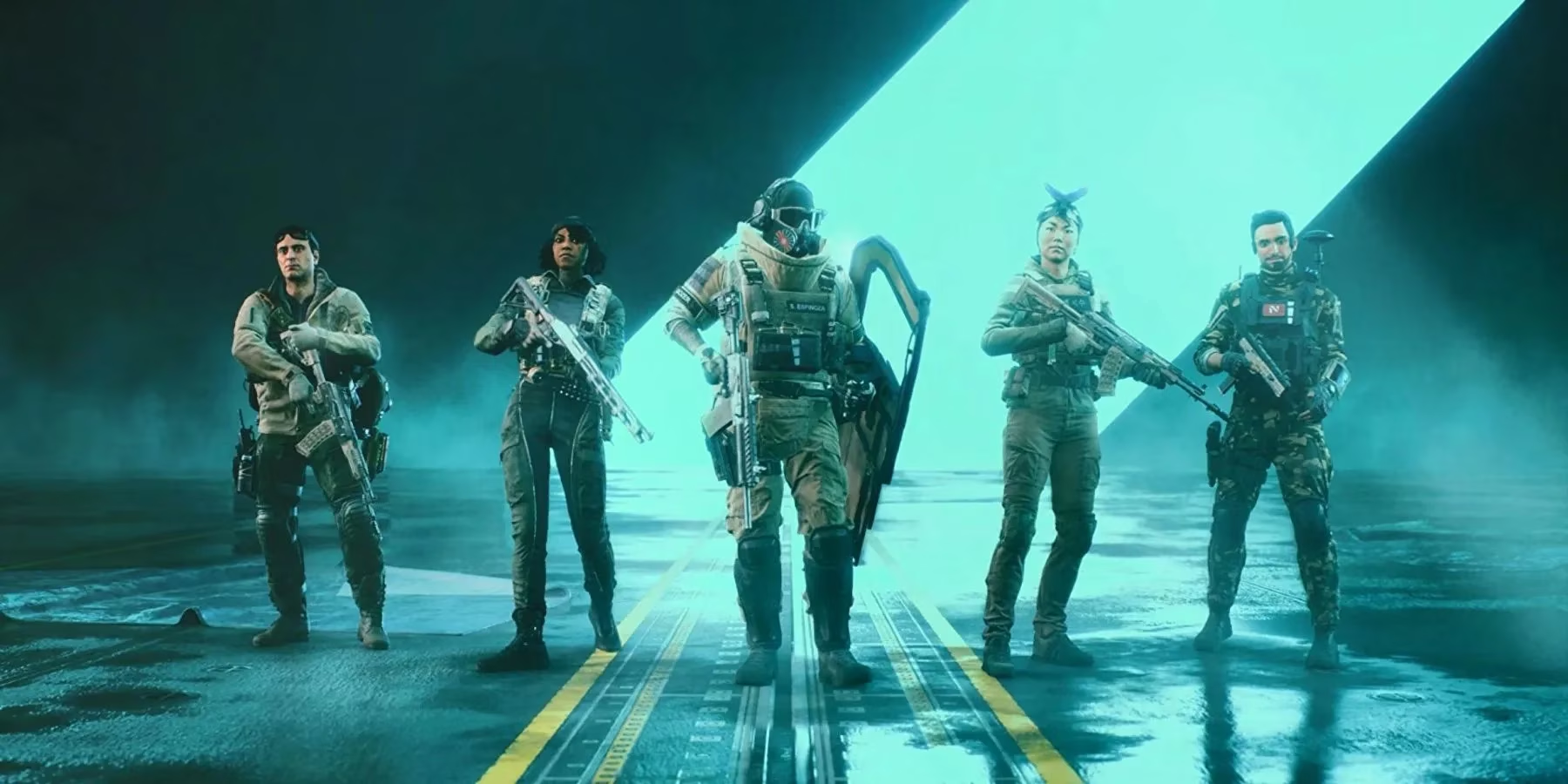
Military shooters are not exempt from the bug curse. Battlefield 2042 launched in late 2021 with ambitions of bringing the series into a near-future sandbox of tornadoes and specialists. Instead, it stumbled with hit registration errors, missing features, and bizarre glitches that turned soldiers into googly-eyed mannequins. EA’s CEO Andrew Wilson later admitted the game’s sales figures were “disappointing,” a telling remark for a tentpole series that once rivaled Call of Duty. Speaking of which, Call of Duty: Vanguard did not escape 2021’s trend either. The World War II shooter sold 36% fewer units than its predecessor Black Ops Cold War, with players flocking to the free-to-play Warzone instead. Technical bugs and a scattered campaign narrative chipped away at its appeal.
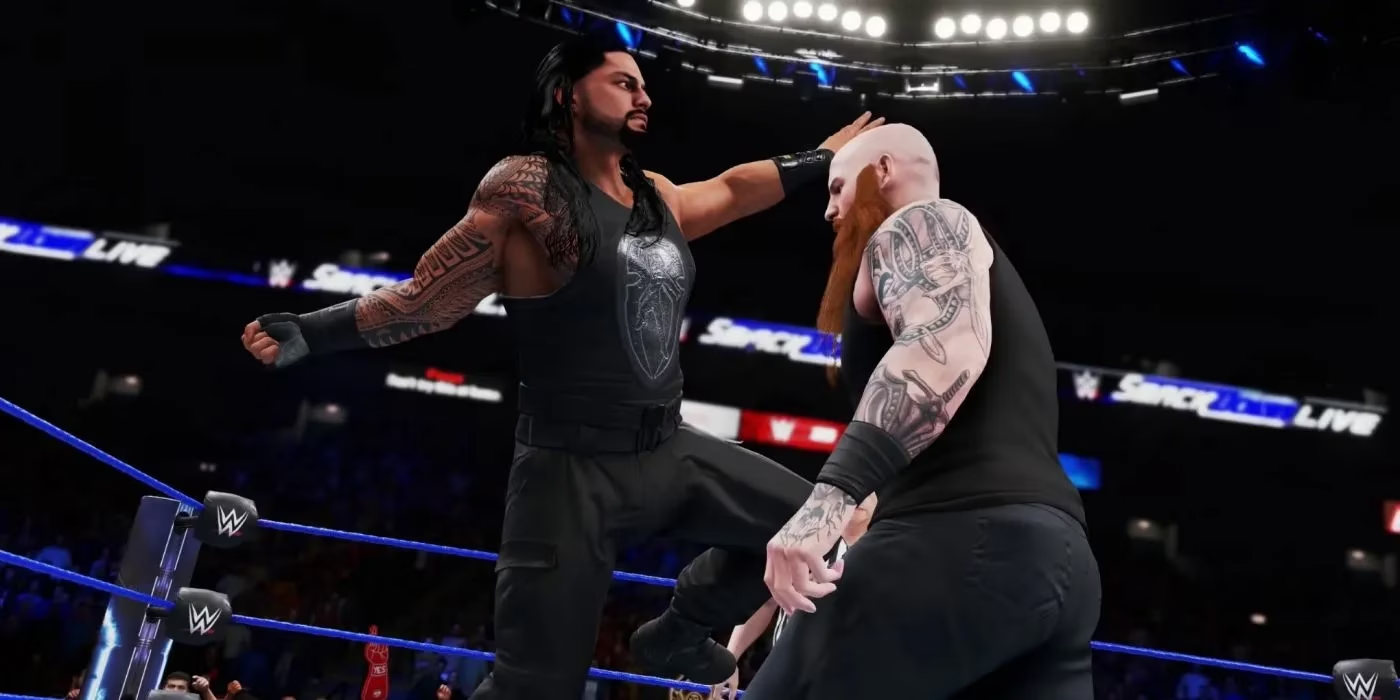
Sports entertainment witnessed a train wreck with WWE 2K20. Visual Concepts, a studio with years of sports-game experience, somehow released a wrestling title so broken that faces melted off superstars and the ring literally swallowed competitors. Take-Two Interactive CEO Strauss Zelnick told Dualshockers that the game “did not meet our expectations, both in terms of sales and quality.” It was a stunning fall for a franchise that had produced classics like Smackdown! Here Comes the Pain. The subsequent year’s release, WWE 2K22, took a hiatus to rebuild trust—a wise move, but the damage to 2K20’s reputation was irreversible.
Remakes are supposed to polish old gems, but XIII proved that modern technology is no safeguard. The 2020 revival of the cel-shaded conspiracy thriller was faithful in art style but disastrous in execution. Enemy AI would stand motionless, audio sounded tinny, and the gunplay felt like a decade-old prototype. The original 2003 game easily outsold this ill-conceived remake, reminding the industry that nostalgia alone does not sell.
In 2026, the lessons are clear. For every No Man’s Sky redemption story, there are dozens of titles that never recover from a botched launch. Players have grown more vocal and less forgiving, and digital storefronts now allow publishers to erase their mistakes with delistings. Yet the financial scars remain. A buggy game does not just frustrate—it can permanently derail a franchise, shutter a studio, or turn a potential holiday hit into a footnote. As we await the next generation of games, the hope is that publishers will invest more in quality assurance than in marketing hype. After all, no amount of pre-release buzz can survive a day-one disaster.
Comments