
Battlefield's Map Size Dilemma: How 2042's Lessons Shape the Future of Warfare
Battlefield 2042 launch maps disappointed fans, but DICE's bold redesign revived gameplay and restored the franchise's thrilling essence.
As we look back from the vantage point of 2026, the launch of Battlefield 2042 feels like a pivotal moment in the franchise's history. The game promised the ultimate sandbox of war, with maps of unprecedented scale that were supposed to be the series' crowning achievement. DICE, with its storied legacy of crafting iconic virtual battlefields, aimed to push boundaries. But as players soon discovered, sometimes going bigger means losing the very soul of the experience. It was a classic case of "more is less," and the community's feedback was loud and clear: these colossal playgrounds often felt empty and tedious.
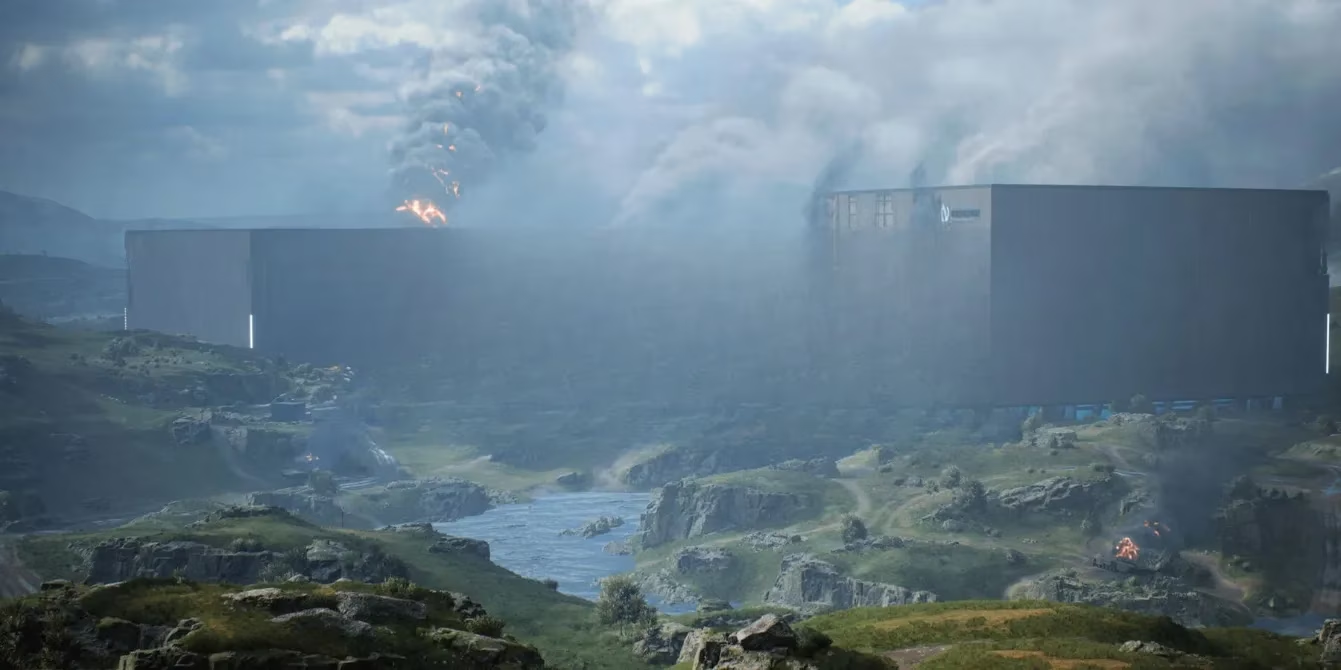
The Initial Backlash: When Size Became a Slog
Right out of the gate, players had a bone to pick with the launch maps. The technical spectacle was undeniable—these were truly massive environments. However, they often failed to deliver the heart-pounding, chaotic action that is Battlefield's bread and butter. The core issue? Maps were so spread out that infantry players could spend what felt like an eternity just running between objectives, leading to long stretches without any enemy contact. It was a far cry from the expertly designed chaos of classics like Operation Metro or Caspian Border, where the flow of combat felt organic and relentless. The initial suite of maps, for all their visual grandeur, lacked the subtle funneling and focused hotspots that made earlier titles so addictive. Players were left feeling like they were on a hiking simulator with occasional gunfire, which was a major buzzkill.
DICE's Course Correction: Listening to the Troops
To DICE's credit, they didn't just sit on their hands. Faced with intense player feedback, the studio went back to the drawing board in a big way. Starting in 2022, they embarked on a massive project to rework the original launch maps. This wasn't just a few cosmetic tweaks; it was a fundamental redesign focused on improving gameplay flow. The developers:
-
Repositioned capture points and bases to reduce excessive travel time.
-
Added a ton of new cover and structural elements to create more engaging infantry combat zones.
-
Adjusted player counts for modes like Breakthrough to better suit the map layouts.
The goal was clear: recapture the magic of Battlefield's signature blend of infantry and vehicle warfare. This refocused approach began to pay off, showing that DICE was committed to fixing the experience, proving they still had the chops to turn things around.
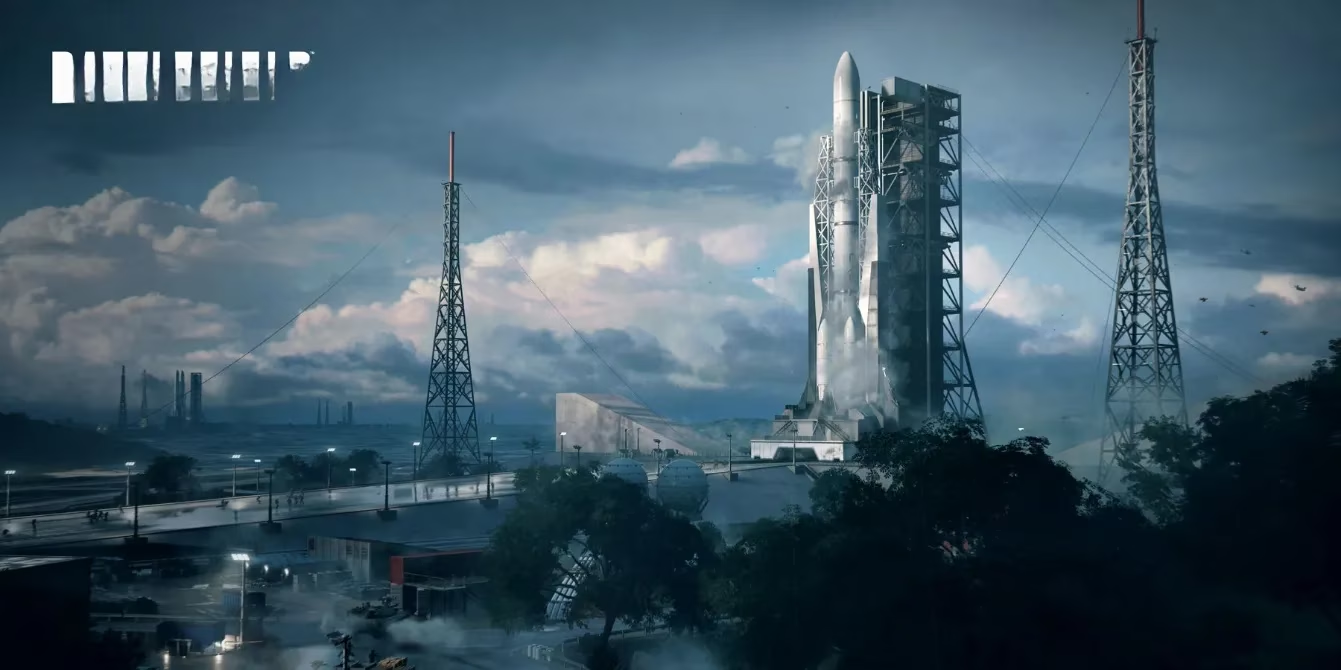
The DLC Blueprint: A Return to Form
The lessons learned from reworking the base game directly influenced the post-launch DLC maps. Released over the following two years, these free additions like Spearhead and the reworked Hourglass showcased a new philosophy. DICE shifted focus from sheer scale to smart design and pacing. These maps were often smaller, more dense, and meticulously crafted to ensure players were never far from the action.
| Map Design Principle | Launch Maps (Initial) | DLC/Reworked Maps |
|---|---|---|
| Primary Focus | Sheer Scale & Spectacle | Pacing & Flow |
| Infantry Experience | Often tedious, long runs | Action-packed, focused lanes |
| Combat Encounters | Sparse and spread out | Frequent and intense |
| Overall Vibe | Beautiful but empty | Lively and chaotic |
This evolution demonstrated a crucial understanding: a great Battlefield map needs to provide both the illusion of a massive war and the reality of constant engagement. It's about creating a sandbox where freedom and direction coexist.
The Roadmap for the Next Battlefield
With the next mainline Battlefield title deep in development as of 2026, the journey of 2042 provides an invaluable playbook. The key takeaway isn't that big maps are bad; it's that design intent must trump raw size. The next game needs maps that deliver on the franchise's epic scale promise while ensuring the gameplay loop remains tight and exciting.
Here’s what the community hopes to see, based on the hard-won lessons of the past few years:
-
Balanced Playgrounds: Environments that cater to all playstyles—vehicles have room to maneuver, but infantry aren't left in the dust.
-
Intelligent Layouts: Natural chokepoints, flanking routes, and verticality that guide players into conflict without feeling forced.
-
Legacy Respect: Capturing the spirit of classic maps that fans know and love, while innovating for modern hardware and expectations.
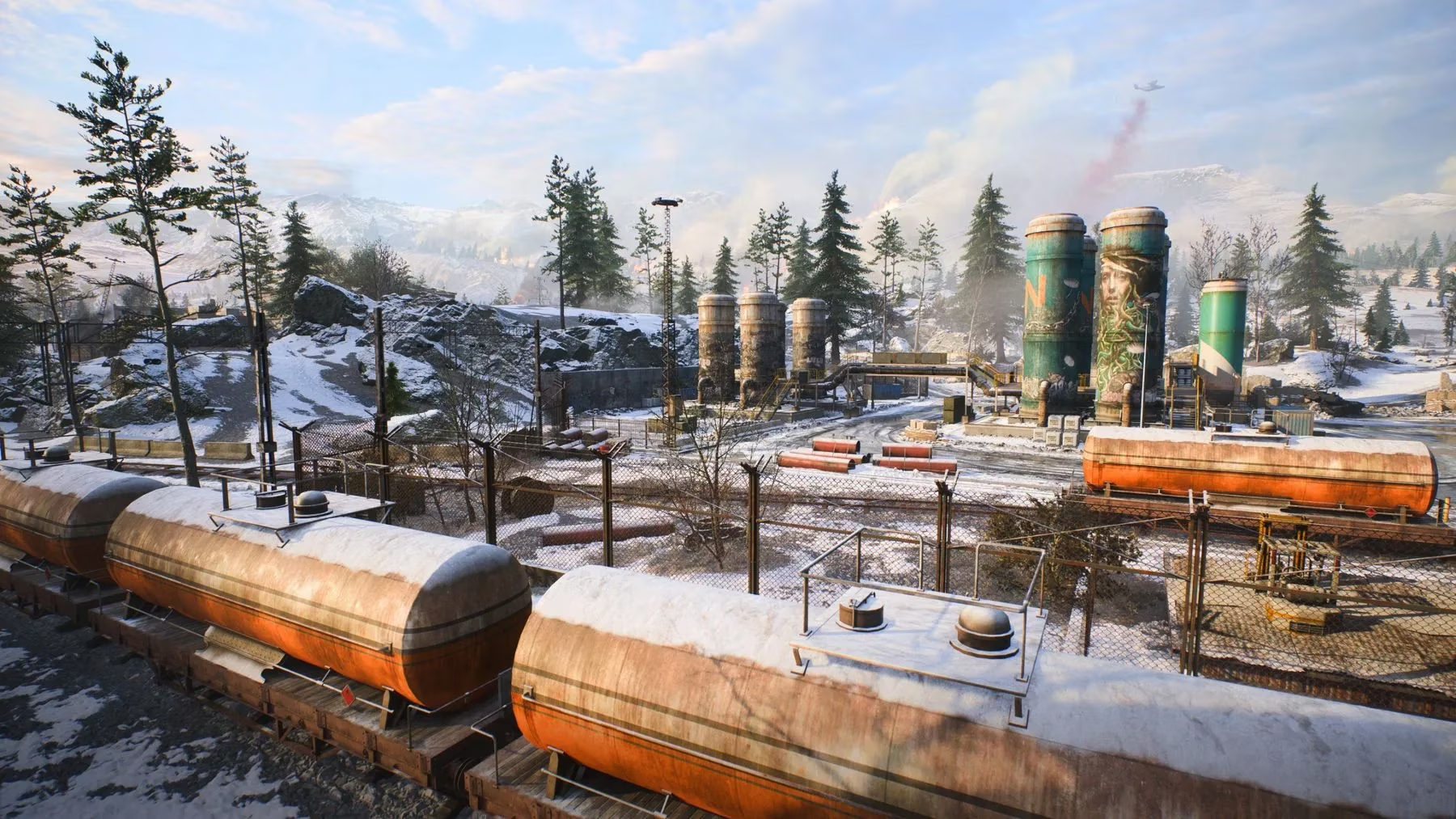
Conclusion: Forging a Better Battlefield
Battlefield 2042's story is ultimately one of redemption. It launched with a fundamental miscalculation about what makes its combat sing, but through dedicated post-launch support and a willingness to listen, DICE managed to steer the ship back on course. The game's later life proved the studio still has what it takes to deliver that signature Battlefield feeling. As we await the next entry, the hope is that these lessons are baked into the foundation from day one. The goal shouldn't be to make the biggest maps, but to make the most memorable ones—where every corner tells a story and every match is a rollercoaster of emergent moments. If DICE can marry the spectacle of 2042's scale with the tight, focused design of its best legacy content, the future of all-out warfare looks brighter than ever. After all, in the world of Battlefield, it's not the size of the fight in the map, but the size of the map in the fight. 😉
Comments