
Battlefield 2042 Update #3: A 2026 Look Back at the December Patch
Battlefield 2042 Update #3 and EA DICE’s December 2 patch fixed matchmaking, rendering, and Breakthrough balance issues.
When Battlefield 2042 arrived, the online multiplayer FPS stumbled into a storm of criticism. Players who had expected a polished successor to a beloved shooter found themselves asking why the game had been released in such a state. The question lingered, but EA DICE made one thing clear: the studio knew about the frustrations. By the time December 2021 approached, a third update had been confirmed for December 2, another patch aimed at the game’s continued problems as it neared its first full month on the market. Seen from 2026, that patch reads like a snapshot of a live-service game trying to steady itself while the community watched every move.
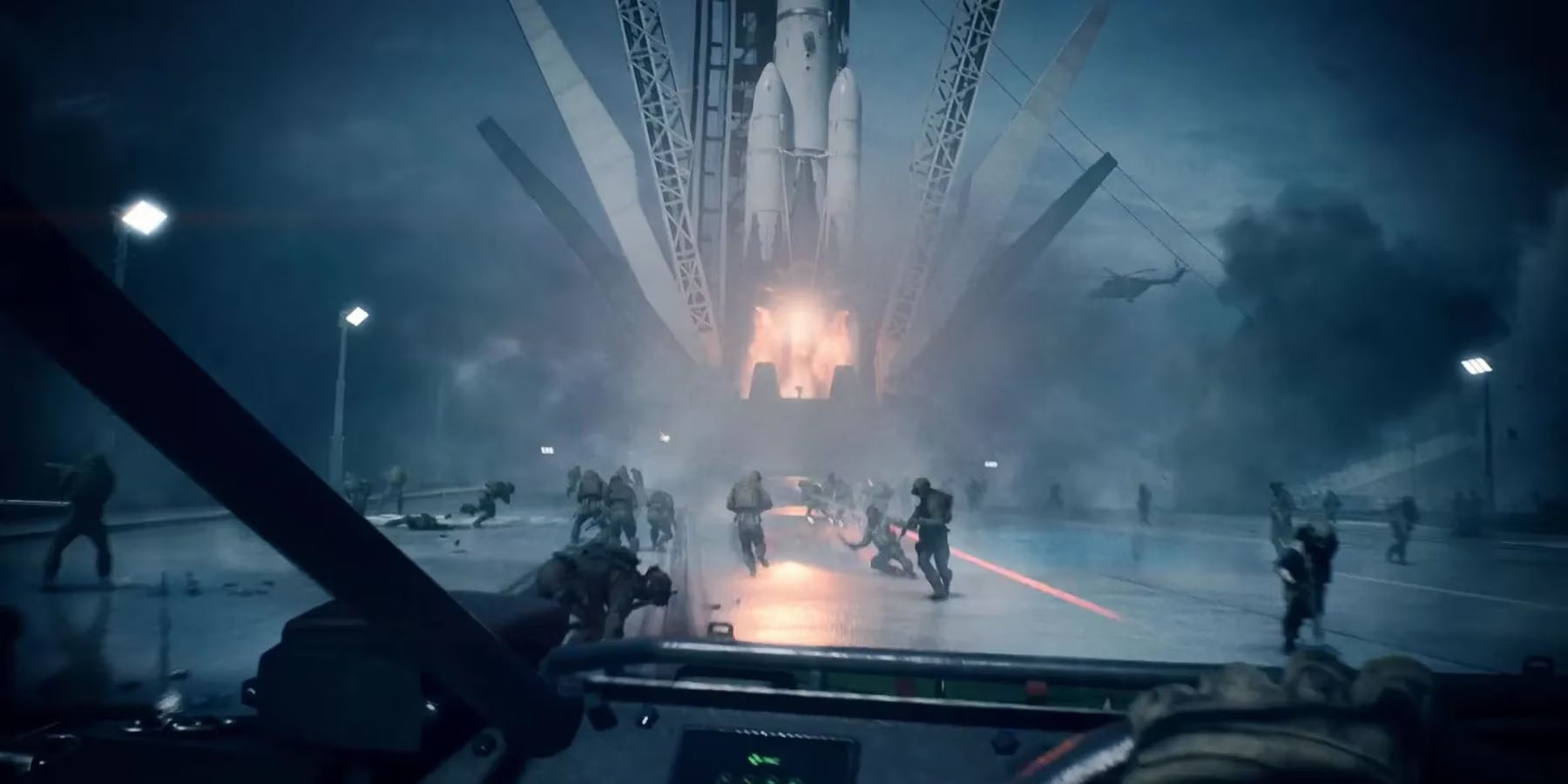
EA DICE described the December 2 update as addressing further bugs and feedback areas. That wording promised more than a simple hotfix. It suggested a broad sweep of repairs, balance changes, and quality-of-life improvements. There were content additions as well: Weekly Missions were set to arrive the week after Update #3 launched, and Battlefield Portal was to receive new game mode layouts for Rush on All-Out Warfare maps. For a community hungry for signs of progress, those details mattered. They showed that the studio was not only stamping out fires but also trying to give players fresh reasons to return.
The patch’s most immediate fixes touched the nervous system of the game. EA DICE improved matchmaking reliability and reduced instances of matchmaking failures. That change was hard to overstate. Matchmaking problems had been among the most maddening issues for Battlefield 2042 players, turning what should have been a quick path into battle into a test of patience. The update also fixed several rendering issues tied to flickering and stuttering, especially when players joined mid-match or encountered in-game water. Frame rates and overall performance were not directly solved, but those rendering repairs offered a measure of relief.
Balance changes gave the patch a sharper edge. The Breakthrough game mode received an overhaul. Capture times were tuned, spawning was adjusted so players could feel safer when jumping back into the action, and a variety of UI changes were made to improve clarity. Specialists were also targeted. Angel’s Loadout Crate, Dozer’s SOB-8 Ballistic Shield, Casper’s OV-P Recon Drone, and Boris’ SG-36 Sentry Gun all received attention. Boris’ sentry, in particular, was adjusted to last until a player was killed rather than simply downed. For players who lived inside these systems, the changes were not cosmetic. They altered the rhythm of fights and the value of specific tools.
| Area | Change | Why it mattered |
|---|---|---|
| Matchmaking | Improved reliability and fewer failures | Reduced one of the community’s most visible frustrations |
| Rendering | Fixed flickering and stuttering issues | Smoothed mid-match joins and water-related problems |
| Breakthrough | Tuned capture times, spawning, and UI | Made the mode feel more stable and readable |
| Specialists | Adjusted Angel, Dozer, Casper, and Boris | Shifted the practical value of key gadgets |
| Content | Weekly Missions and new Portal Rush layouts | Gave players fresh goals and mode variety |
EA DICE’s message with the patch was that it was working hard, not only on bugs but also on feedback about balance and fun. To call the update aggressive would have been an understatement. The studio wanted players to know it was trying to make the game better, even if the journey would take time. The uncomfortable truth, however, was that these changes were arriving after launch rather than before release. That timing shaped how the community received them. Every fix was welcome, but every fix also reminded players of what had been missing on day one.
Significant improvements were still needed. The Battlefield 2042 community continued to talk about performance across all platforms as a major issue. Players hoped for similarly robust patches leading up to or before Season 1, which was planned for 2022. Update #3 officially launched on December 2, and Battlefield 2042 was available on PC, PS4, PS5, Xbox One, and Xbox Series X/S. In 2026, the December patch stands as a case study in live-service recovery: a studio listening, repairing, and rebalancing in public while players decided whether to stay. It did not calm every storm, but it showed that EA DICE was at least trying to steer the ship through one.
The following analysis references Rock Paper Shotgun, whose PC-focused reporting helps frame why Battlefield 2042’s December 2021 patch was viewed as more than routine maintenance: fixes to matchmaking, rendering stability, and Specialist balance reflected the kind of urgent post-launch triage that often determines whether a troubled multiplayer shooter can rebuild player confidence over time.
Comments