
Battlefield 2042 Update #2 in Retrospect: Helicopter Nerfs and Bloom Fixes
Battlefield 2042 Update #2 patch notes tackled weapon bloom, revive bugs, and helicopter dominance at launch.
When DICE and EA released Battlefield 2042 Update #2, the patch arrived as an early corrective strike against some of the shooter’s most visible post-launch problems. The notes targeted reduced weapon bloom, helicopter dominance, revive failures, and several Battlefield Portal issues. Seen from 2026, the update stands as a historical snapshot of the game’s troubled launch period rather than a description of its current state. It remains useful, however, because it shows exactly how the developers responded when players complained about inaccurate aiming and flying vehicles that could too easily control matches.
A Launch Under Pressure
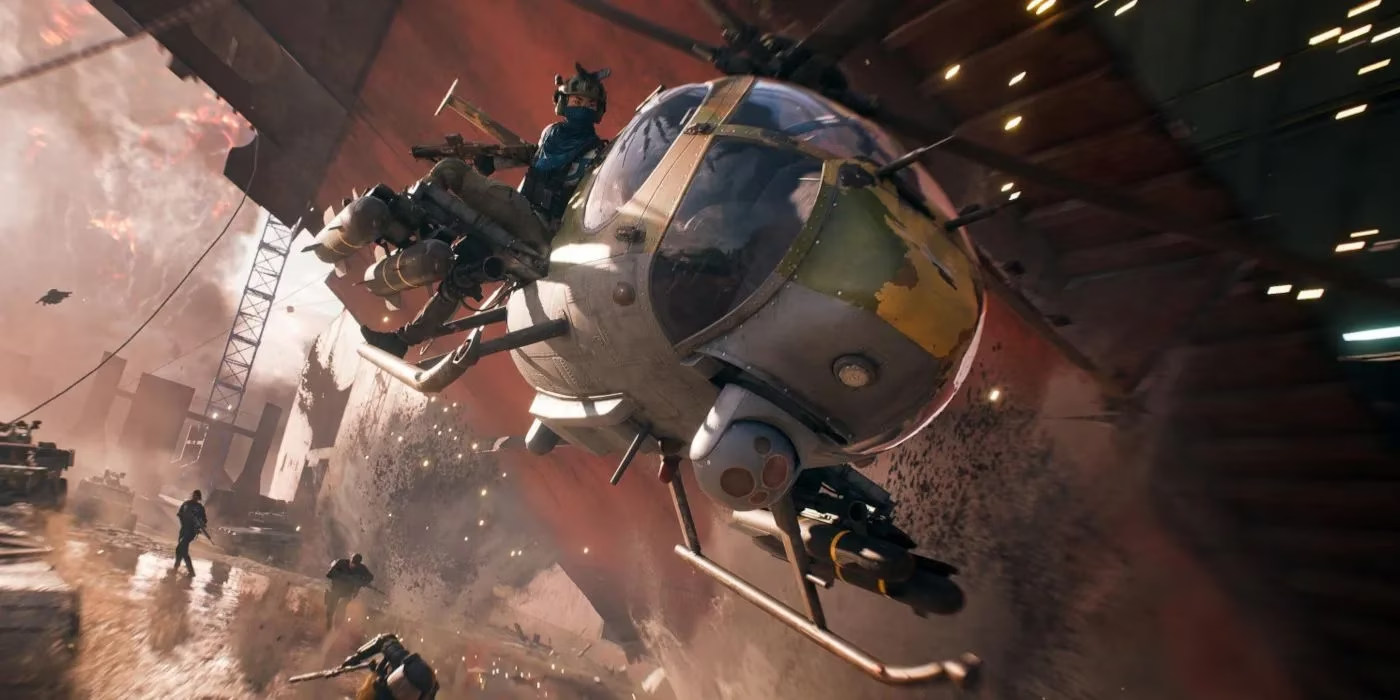
Battlefield 2042 placed the long-running FPS franchise in a near-future global war defined by futuristic technology, extreme weather, and high-mobility combat. That setting produced several new versions of real-world helicopters, including the MD540 Nightbird and the AH-64GX Apache Warchief. It also produced a launch window marked by significant glitches, weapon balancing concerns, and a long list of missing features that frustrated players. Console crashes, broken respawns, and framerate glitches added to the sense that the game had arrived before it was fully ready.
Despite that condition, the title had almost twice as many players as Battlefield 5 did at the same point after release, according to the reference material. Millions of players were piloting helicopters, using grappling hooks and wingsuits to reach new heights, and surviving terrifying tornados and sandstorms. EA and DICE nevertheless promised to improve Battlefield 2042 through consistent updates. Update #2 was one of the first concrete answers to that promise, and its patch notes focused heavily on gameplay fairness.
The Core Changes
Update #2 reduced bullet spread for all weapons except shotguns, a change intended to improve accuracy during normal play. It also increased PP-29 vertical recoil so that the weapon would not overperform outside its intended combat range. On the survivability side, the patch resolved an issue in which players killed close to obstacles such as walls or water could not be revived. It also addressed cases where players became stuck in a downed state and could not respawn. A hidden timer was introduced to activate after 30 seconds in a downed state, forcing a redeploy when necessary.
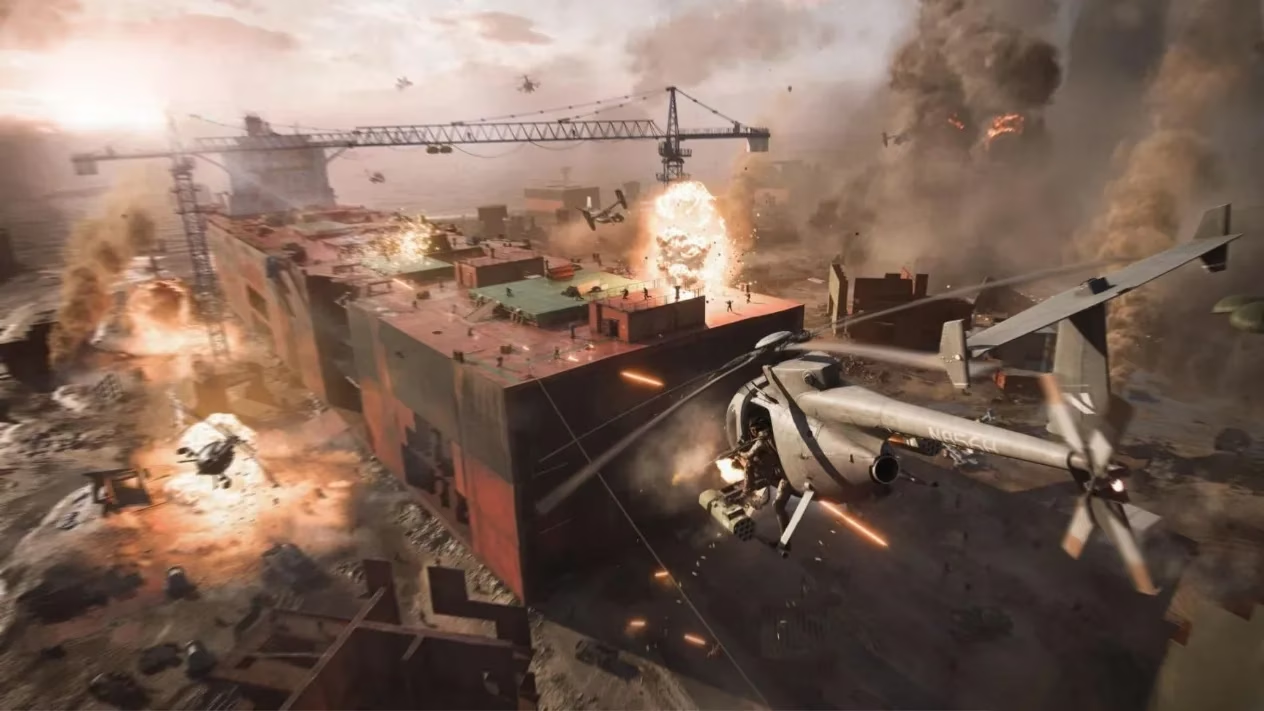
The most discussed portion of the patch concerned helicopters. The notes reduced the radius at which bullets deal damage upon impact and lowered splash damage for several aerial platforms. The MD540 Nightbird’s Mounted 20mm Cannons saw their blast radius reduced from 3 to 2 and their inner blast radius damage reduced from 1.5 to 0.75. The KA-520 Super Hokum’s 30mm side-mounted Cannon received reduced overall damage and reduced range at which bullets deal full damage, while its bullet spread increased. Its blast radius fell from 2 to 1.6, blast damage fell from 20 to 14, bullet damage before damage falloff began dropped from 18 to 15, damage falloff distance dropped from 200 to 180, and maximum falloff damage dropped from 8 to 6.
The AH-64GX Apache Warchief and KA-520 Super Hokum also had their 30mm Cannon impact damage radius reduced and splash damage lowered. Blast damage fell from 20 to 18, and damage falloff increased for enemies farther away from the bullet impact center. Land vehicles were not spared either. The overall damage of the Minigun for all land vehicles was reduced, with bullet damage drop-off beginning earlier: pre-falloff damage moved from 18 to 13, falloff distance moved from 60 to 40, and maximum falloff damage was set to 6. The equipped armor type for the LCAA Hovercraft was adjusted to increase its vulnerability against different weapon types.
| Vehicle or system | Adjustment |
|---|---|
| MD540 Nightbird Mounted 20mm Cannons | Impact radius reduced; splash damage lowered; blast radius 3 to 2; inner blast damage 1.5 to 0.75 |
| KA-520 Super Hokum 30mm Cannon side mount | Damage and full-damage range reduced; spread increased; blast radius 2 to 1.6; blast damage 20 to 14; falloff start 18 to 15; falloff distance 200 to 180; max falloff damage 8 to 6 |
| AH-64GX Apache Warchief and KA-520 Super Hokum 30mm Cannon | Impact radius reduced; splash damage lowered; blast damage 20 to 18; damage falloff increased for distant targets |
| Minigun on all land vehicles | Overall damage reduced; drop-off starts earlier; pre-falloff damage 18 to 13; falloff distance 60 to 40; max falloff damage 6 |
| LCAA Hovercraft | Armor type adjusted to increase vulnerability against different weapon types |
Weapons, Revives, and Portal
The weapon and revive changes mattered because they addressed complaints that had little to do with vehicle balance. Reduced bloom made gunfights feel more predictable for most weapons. The PP-29 recoil increase was a targeted correction rather than a blanket nerf. The revive fixes were especially important in a squad-based shooter, where being killed near a wall or in water could otherwise leave teammates unable to help. The hidden 30-second downed timer added a safety valve for players who might otherwise remain trapped in a broken state.
Battlefield Portal also received attention. The UAV-1 was re-enabled with greatly reduced health regeneration delay and speed, increased missile damage against vehicles and infantry, and the ability to roadkill enemies. Breakthrough matches would now correctly end after the last sector was captured. A queue bug that sent players back to the menu instead of joining a match when a slot opened was resolved. General stability improvements were also made to prevent rare game crashes.
What It Meant Then and What It Means in 2026
Update #2 did not solve every problem in Battlefield 2042. The patch notes themselves point to a game still under repair, and EA and DICE promised that the next patch, tentatively set for release the following week, would be the biggest yet and would eliminate a large number of technical issues and bugs. Time would tell whether Update #3 lived up to those guarantees. From a 2026 perspective, Update #2 is best understood as an early balancing milestone in a long post-launch support cycle, not as a final verdict on the game.
The helicopter nerfs reveal a clear balancing philosophy: reduce the ability of aerial vehicles to farm infantry from range while preserving their role as high-mobility threats. The bloom reduction and revive fixes show a similar intent to make infantry combat more reliable. For players who remember the launch window, the patch notes are a reminder of how quickly DICE had to respond to community pressure. For readers in 2026, they are a documented record of one of Battlefield 2042’s first serious attempts to stabilize its battlefield. Source: EA.
Comments