
Battlefield 2042's Aim Assist and Bug Fix Saga: A 2026 Retrospective
Battlefield 2042 Update 3.1 promised a console aim assist fix, but lingering bugs and limited improvements fueled player criticism.
Battlefield 2042 arrived on November 19, 2021, carrying the weight of enormous expectations and, unfortunately, a long list of technical and design problems. DICE responded with a series of updates, and update 3.1 was meant to address several high-priority complaints. Among those complaints, the console aim assist mechanic stood out as one of the most frustrating. Players expected a meaningful fix, but many found that the patch had done little to improve the feel of aiming with a controller. The result was a fresh wave of criticism that illustrated how sensitive the relationship between a live-service shooter and its community can be.
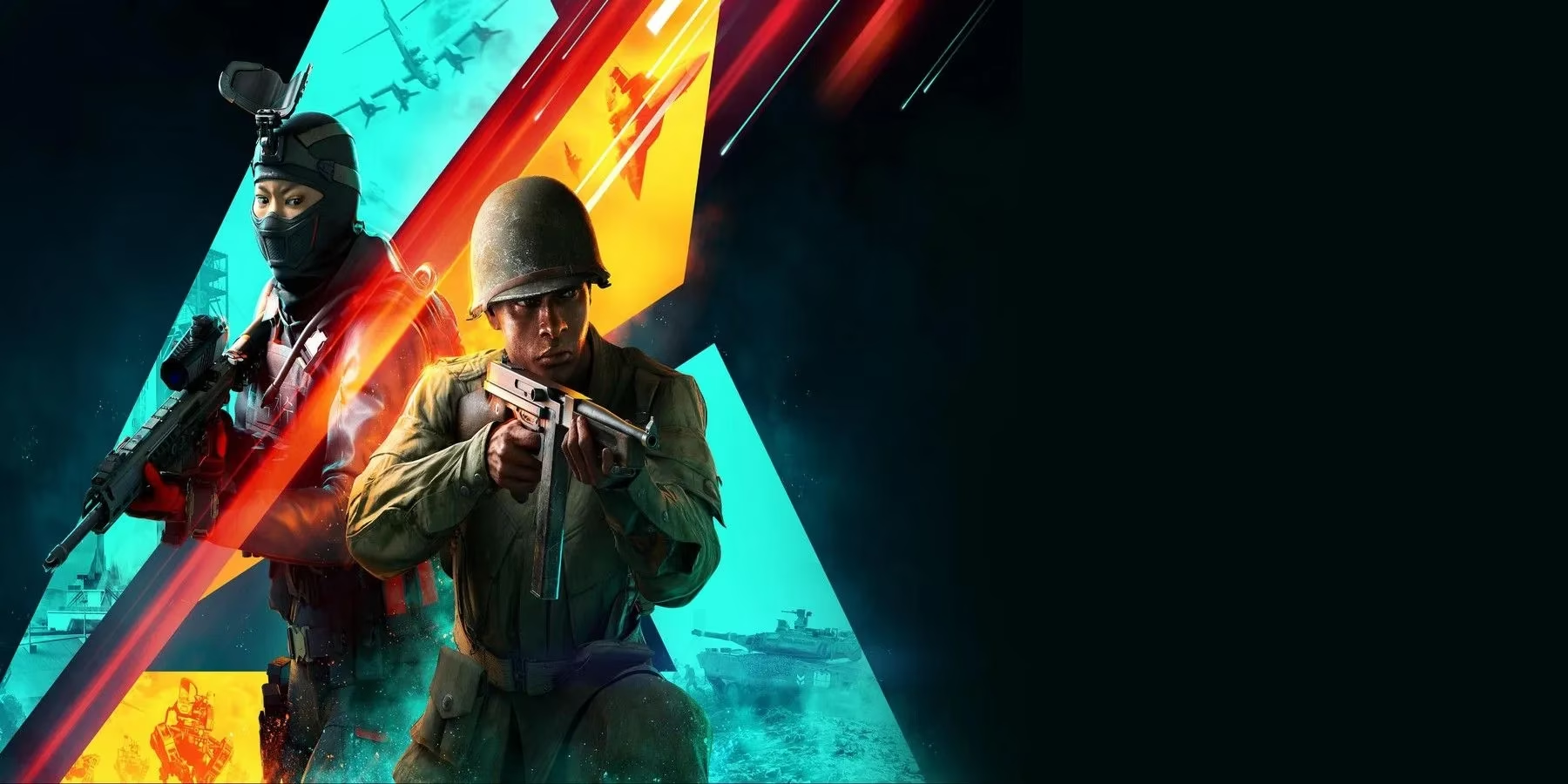
Aim Assist on Console: A Patch That Promised More Than It Delivered
Update 3.1 included a note that sounded definitive: 'Made improvements to ensure Aim Assist is more consistent during console gameplay.' For many console players, however, the experience after the update felt sporadic rather than fixed. Aim assist is a delicate system in any shooter, especially one with large maps, varied weapons, and cross-play considerations. When it works poorly, controller users feel disadvantaged; when it works inconsistently, every firefight can feel unpredictable.
Fans reached out to the developers on social media, and one developer eventually responded by explaining that the game's aim assist mechanic had only been 'slightly adjusted.' More changes were still to come. That clarification was useful, but it also highlighted a communication gap. The original patch notes made it sound as though the issue had been resolved. In reality, the work was ongoing. For a player base already frustrated by launch problems, that distinction mattered.
Bugs That Defined the Early Experience
Aim assist was not the only problem DICE had to tackle. Update 3.1 also addressed a severe bug that caused some players to become invisible when they loaded into a multiplayer match. That issue could easily have been considered game-breaking if it had appeared more frequently. DICE moved quickly to patch it, which was a positive step. Another glitch, less common but still memorable, saw a player become trapped inside an Osprey. It was not the kind of bug most players wanted to experience during an intense match, but fortunately it was not widely reported.
| Bug | Impact | DICE Response |
|---|---|---|
| Invisible players | Potentially game-breaking in multiplayer | Addressed in update 3.1 |
| Osprey trap | Rare but frustrating | Not widely reported; limited attention |
| Aim assist inconsistency | Affected console gameplay feel | Slightly adjusted; further changes promised |
These issues formed a pattern. Battlefield 2042 was not just a game with a few isolated glitches; it was a live-service project trying to stabilize itself while players watched every move. Each patch became a test of trust. When the notes promised more than the patch delivered, the community noticed.
Sales, Player Sentiment, and the Long Game
Despite the difficult launch, Battlefield 2042 continued to sell well. That was an important signal. Strong sales gave DICE both the resources and the incentive to keep working on the game, adding content through updates and trying to satisfy its player base. It also suggested that beneath the bugginess, there was a foundation that many players could enjoy. The game's core ideas—large-scale warfare, dynamic battles, and a near-future setting—still had appeal. The debate over a potential hero-shooter direction also lingered, with many players arguing that Battlefield's identity is strongest when it focuses on large-scale warfare rather than hero-centric abilities.
By 2026, the conversation around Battlefield 2042 has changed. The game's seasonal support has concluded, and the franchise has shifted its attention toward the next major Battlefield project. Yet the lessons from 2042's launch remain relevant. Live-service shooters are judged not only by their best moments but by how they handle their worst ones. Aim assist, invisible players, and trapped Ospreys may sound like isolated incidents, but together they represent a broader challenge: maintaining player trust when the technical foundation is still shaking.
What 2042's Troubles Taught the Franchise
The aim assist controversy offers several takeaways for DICE and for the wider shooter genre:
-
📝 Patch notes need precision. Saying an issue is 'improved' when it is only 'slightly adjusted' can backfire.
-
🎮 Console parity matters. Controller players need consistent, predictable aiming to compete fairly.
-
🐛 Quick fixes build goodwill. The invisible-player bug was addressed before it could become a permanent stain.
-
💬 Developer communication is part of the product. A single social media reply can calm or inflame a community.
-
💰 Sales alone do not guarantee satisfaction. A game can sell well and still need years of refinement.
In 2026, Battlefield 2042 is remembered as both a cautionary tale and a resilient project. It launched in a troubled state, struggled with aim assist and other bugs, and still found an audience. DICE's incremental improvements showed that a live-service game can recover, but only if the developers listen, communicate clearly, and deliver fixes that match their promises. For the next Battlefield entry, those lessons could be the difference between another rocky launch and a smoother deployment.
The bottom line is simple: Battlefield 2042's aim assist saga was never just about aim assist. It was about expectation, trust, and the gap between patch notes and player experience. That gap is what DICE must close in the years ahead.
This overview is based on reporting from VentureBeat GamesBeat, where coverage of live-service development often emphasizes how post-launch patch cadence and transparent messaging can make or break community confidence. In the context of Battlefield 2042’s update 3.1—where aim-assist notes sounded more conclusive than the in-game feel—industry-focused analysis like this helps frame why “small adjustments” can still trigger outsized backlash when players are already tracking trust, retention, and cross-play balance.
Comments