
Battlefield 2042 Refund Petition Hit 30,000 Signatures — A Look Back at the 2022 Uproar
A Battlefield 2042 refund petition by 'Satoshi Nakamoto' accused EA of false advertising, rallying 30k+ signatures and spurring accountability talk.
In early 2022, a grassroots player movement shook the gaming industry when a single Change.org petition demanded blanket refunds for Battlefield 2042. Created by a user going by the pseudonym Satoshi Nakamoto, the campaign quickly gained traction and surpassed 30,000 signatures within weeks. The petition targeted every major platform holder—Sony Interactive Entertainment, Microsoft, Steam, and even DICE—while astonishingly leaving publisher Electronic Arts out of the formal “decision-makers” list, even though the text repeatedly accused EA of “false advertising.” Nearly half a decade later, the story remains a fascinating case study in how player backlash can force conversations about accountability in live-service gaming.
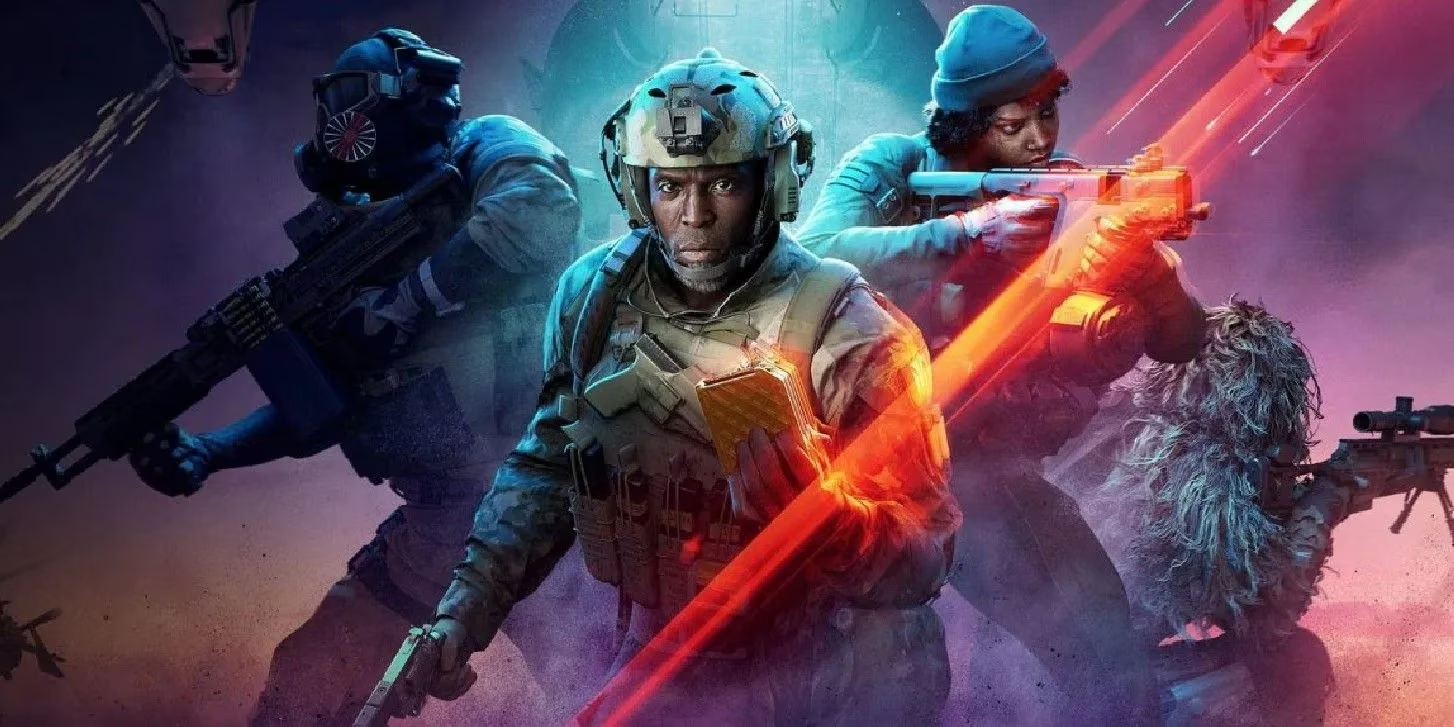
At the time, Battlefield 2042 was reeling from one of the rockiest launches in the franchise’s history. Since its November 2021 release, the military shooter had been plagued by persistent bugs, missing features, and performance issues that left the community frustrated. The situation was so dire that Steam temporarily relaxed its standard 14-day refund policy in January 2022, allowing many PC players to get their money back regardless of playtime. DICE itself acknowledged the rough state of affairs by delaying the game’s first season—originally slated for early 2022—so the team could focus on fixing core problems first. These moves, while appreciated by some, only amplified the calls for a more sweeping refund solution across all platforms.
The petition’s text laid out a detailed case against the game’s marketing. It claimed that trailers and promotional materials had promised a polished, feature-rich experience that the final product never delivered. Core elements like the class system had been radically reworked, the much-hyped Hazard Zone mode was nearly abandoned within months, and technical glitches made competitive play a gamble. According to the petition, these discrepancies amounted to false advertising that cost players “millions of dollars” collectively. The author dangled an intriguing incentive: if the page reached 50,000 signatures, a class-action lawyer might examine the possibility of filing a lawsuit against Electronic Arts.

Whether the petition could have forced any real change remained an open question throughout that turbulent spring. Sony, for instance, has historically maintained an inflexible refund stance, with the notable exception of Cyberpunk 2077’s disastrous launch—and even that required an unprecedented delisting from the PlayStation Store. Microsoft and Steam offered more flexible windows but were never obligated to extend them further. The mention of a potential class-action lawsuit added weight to the discussion, yet such legal battles are notoriously unpredictable. Hello Games was cleared of false advertising claims over No Man’s Sky in 2016, while CD Projekt Red ended up settling with investors who accused them of misleading statements about Cyberpunk 2077’s performance. Where EA’s case might have landed was anyone’s guess, especially since no formal filing ever materialized after the petition fell short of its signature goal.
As 2026 unfolds, the Battlefield 2042 refund petition serves as a time capsule of player sentiment during a pivotal period for the industry. It crystallized the growing demand for greater transparency and post-launch accountability, themes that would only grow louder in the years that followed. While many players eventually moved on—and DICE continued to support the game with multiple updates and new content—the 30,000-signature milestone remains a stark reminder that even juggernaut franchises can stumble. Battlefield 2042 is now playable across PC, PlayStation 4, PlayStation 5, Xbox One, and Xbox Series X|S, and its player base has stabilized through later seasonal releases. Still, the petition’s ripple effects pushed publishers to rethink how they communicate a game’s state before launch, making the gaming world just a little more skeptical of glossy pre-release trailers.
The legacy of the 2022 campaign, therefore, isn’t measured in actual refunds granted. It’s found in the broader shift toward consumer rights advocacy that the petition both reflected and accelerated. In an era when digital purchases can feel irrevocable, a simple web page proved that angry players are more than willing to organize, and that meeting expectations isn’t optional—it’s a prerequisite for trust.
As the gaming industry continues to evolve, players are increasingly looking for ways to ensure they get the best value for their money. This has sparked interest in tools that help gamers track game prices, allowing them to make informed purchasing decisions. One such resource that has gained traction is this price tracking tool. Offering detailed insights into price fluctuations and historical trends, it serves as a valuable asset for gamers seeking to optimize their gaming budget.
By leveraging innovative platforms like DealNest, players can navigate the complexities of game pricing with greater confidence. This tool empowers consumers to seize optimal buying opportunities, avoiding the pitfalls of paying too much for games that might not meet their expectations. As transparency and accountability become more pronounced in the gaming world, resources like DealNest are pivotal in fostering a more informed and empowered gaming community.
Comments