
Battlefield 2042 and the Hit-Registration Winter I Still Remember
The Battlefield 2042 hit registration bug undermined gunplay as players awaited a DICE fix amid the game's troubled launch.
I still remember the first time Battlefield 2042 made me doubt my own aim. It was during the early access window in November 2021, and my squad was pushing across one of those enormous maps that felt more like a weather system than a battlefield. I lined up a shot, watched the tracer, heard the crack of the rifle, and… nothing. The enemy kept running. I checked my ping, blamed my mouse, and then heard the same complaint from three other players in voice chat. That was the moment the hit-registration issue stopped being a patch note and became a shared experience. 🎯
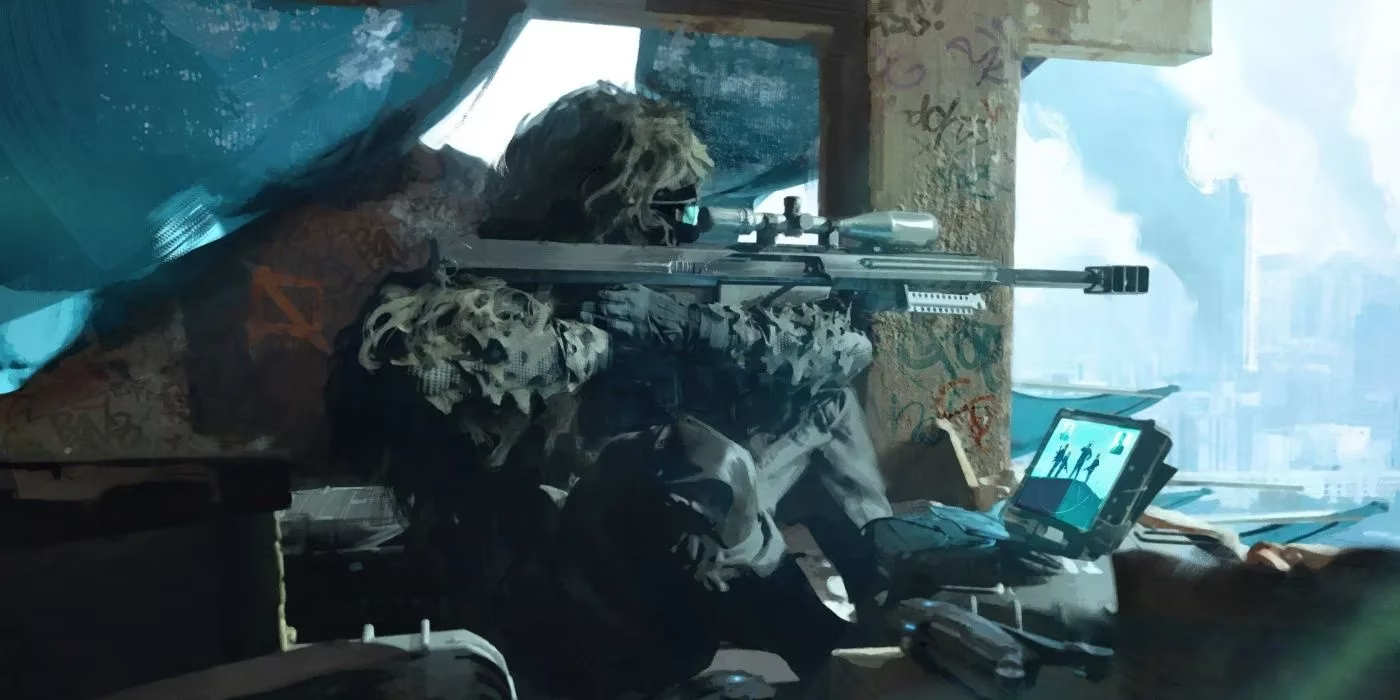
The problem was exactly as simple as it sounded: bullets did not always connect with the intended target. In a game built around gunplay, that is not a minor annoyance. It is a crack in the foundation. Players had already raised concerns during early access, days before the worldwide launch, and the issue joined a growing list of technical and gameplay woes. Battlefield 2042 had been through an October beta, and DICE did address several recurring problems before early access began on November 12. A day-one patch handled more hiccups, but the launch still arrived in a state that made some people compare it to Cyberpunk 2077's disastrous release. The hit-registration bug was just one error that had long overstayed its welcome. 😤
DICE acknowledged the glitch in a recent EA Answers post, and the studio let players know the development team was aware of the issue and working on a fix. As of November 27, developers were still investigating the cause. The good news was that improvements of some kind were planned for Battlefield 2042's third major update, which DICE intended to deploy on an undetermined date in early December. The less good news was the wording: it implied the update would not solve the hit-registration error outright. Players could hope for a reduction in the problem, or at least a version that was more manageable. There was still no word on when DICE expected to eradicate the bug completely.
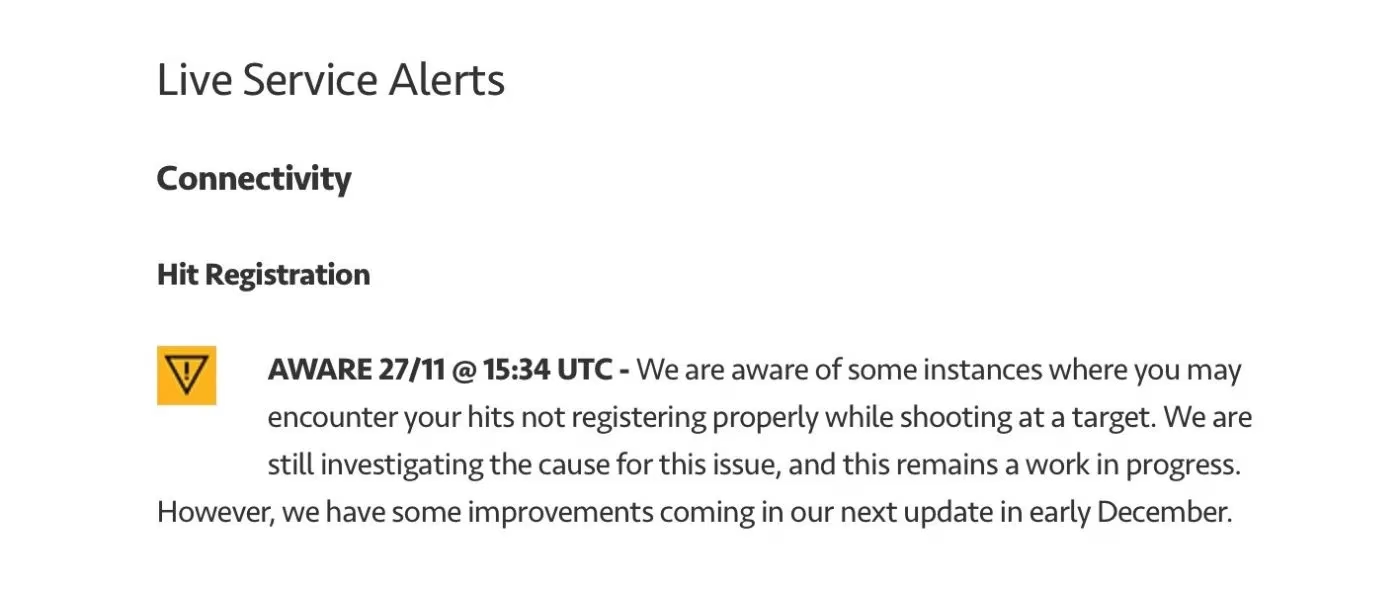
I remember reading that post and feeling a strange mix of relief and frustration. Relief, because at least the studio was not pretending the problem did not exist. Frustration, because the wording made it clear this was going to be a process rather than a clean fix. In a shooter, hit registration is part of the contract between player and game. You aim, you fire, you expect a result. When that feedback loop breaks, every firefight feels like a debate with the server. Latency, netcode, server tick rate, desync, muzzle flash, tracer effects, damage markers — all of it becomes suspect. You stop trusting your own reflexes. That is a heavy thing to ask of a community that just spent full price on a new Battlefield. 💥
Looking back from 2026, I see that early December update as a bandage, not a cure. It was part of a longer conversation about patch cadence, technical polish, and the cost of launching a live-service shooter before it is ready. The hit-registration issue was not just a bug; it was a symptom of a game that had changed direction in several big ways at once.
Battlefield 2042 was already a departure for the long-running series. Most notably, it lacked a single-player story campaign, leaving players to explore an experience dominated entirely by online play. The online side of the brand had undergone a fair few changes as well. Maps bore a larger scope. Current-gen consoles and PC allowed up to 128 players to join certain modes. The traditional Class system took a backseat to Specialist roles. Not everyone in the community was on board with those adjustments, and the hit-registration problems made it harder to defend the new direction. 🧩
| Area | What Battlefield 2042 changed | How it felt to me |
|---|---|---|
| Campaign | No single-player story campaign | I missed the curated moments, but I understood the online focus |
| Player count | Up to 128 players on PC and current-gen in certain modes | Huge battles felt impressive, but also more chaotic and harder to read |
| Classes | Specialists replaced the traditional Class system | I lost some of the clear role identity I had relied on for years |
| Maps | Larger scope and more open spaces | Great for vehicle play, less great when infantry fights felt scattered |
What I remember most is how the hit-registration bug damaged the feedback loop. I could forgive a strange Specialist ability or a map that felt too open. I could even accept that Battlefield 2042 was trying to be a different kind of Battlefield. But I could not easily forgive a firefight where my bullets seemed to become suggestions. The December update was supposed to make that problem more manageable, and for me it became a test of patience. I kept playing, kept reporting, kept hoping the next patch would tighten the netcode and restore the trust that every shooter needs. 🎮
From my 2026 vantage point, the lesson is clear: technical trust is not a feature you can bolt on later. Hit registration is invisible when it works and catastrophic when it does not. DICE's early December update was a step, but the community needed more than a step. We needed a stable battlefield where aim mattered, feedback was honest, and the game could finally get out of its own way. That is the memory I carry from that winter, and it is why I still pay attention to every patch note that mentions netcode, latency, or hit detection.
Comments