
After Battlefield 2042’s Flop, Medal of Honor Deserves a Comeback in 2026
With Battlefield 2042's disastrous launch, EA should reboot classic FPS Medal of Honor to reclaim dominance.
Let’s be real: I’ve been fragging online since the dial-up days, and I’ve watched the FPS throne change hands more times than I can count. Battlefield was supposed to be the king of massive, chaotic warfare—until Battlefield 2042 crashed and burned harder than a noob piloting a helicopter for the first time. It’s 2026 now, and the sting of that launch still hasn’t faded. But here’s the thing: instead of chasing the next shiny trend, EA has a golden opportunity sitting right under its nose. It’s time to brush the dust off Medal of Honor and let that franchise save the day.
DICE’s latest Battlefield outing back in 2021 promised the moon—modern-day madness, tornadoes ripping through maps, and 128-player mayhem. I was hyped, I won’t lie. But when it dropped, it was a hot mess. No single-player campaign? For a series that gave us memorable war stories, that was a gut punch. Then came the Specialist system, which turned every match into a discount hero shooter. I still remember spawning as some dude with a grappling hook while my squad got obliterated because nobody could figure out who was supposed to be the medic. The maps felt empty and the bugs were legendary—I once saw a tank get sucked into the sky by a tornado and just hover there like a confused seagull. Player counts on Steam nosedived faster than my K/D ratio, and by early 2022, Battlefield 2042 had fewer active players than Battlefield V. Ouch.
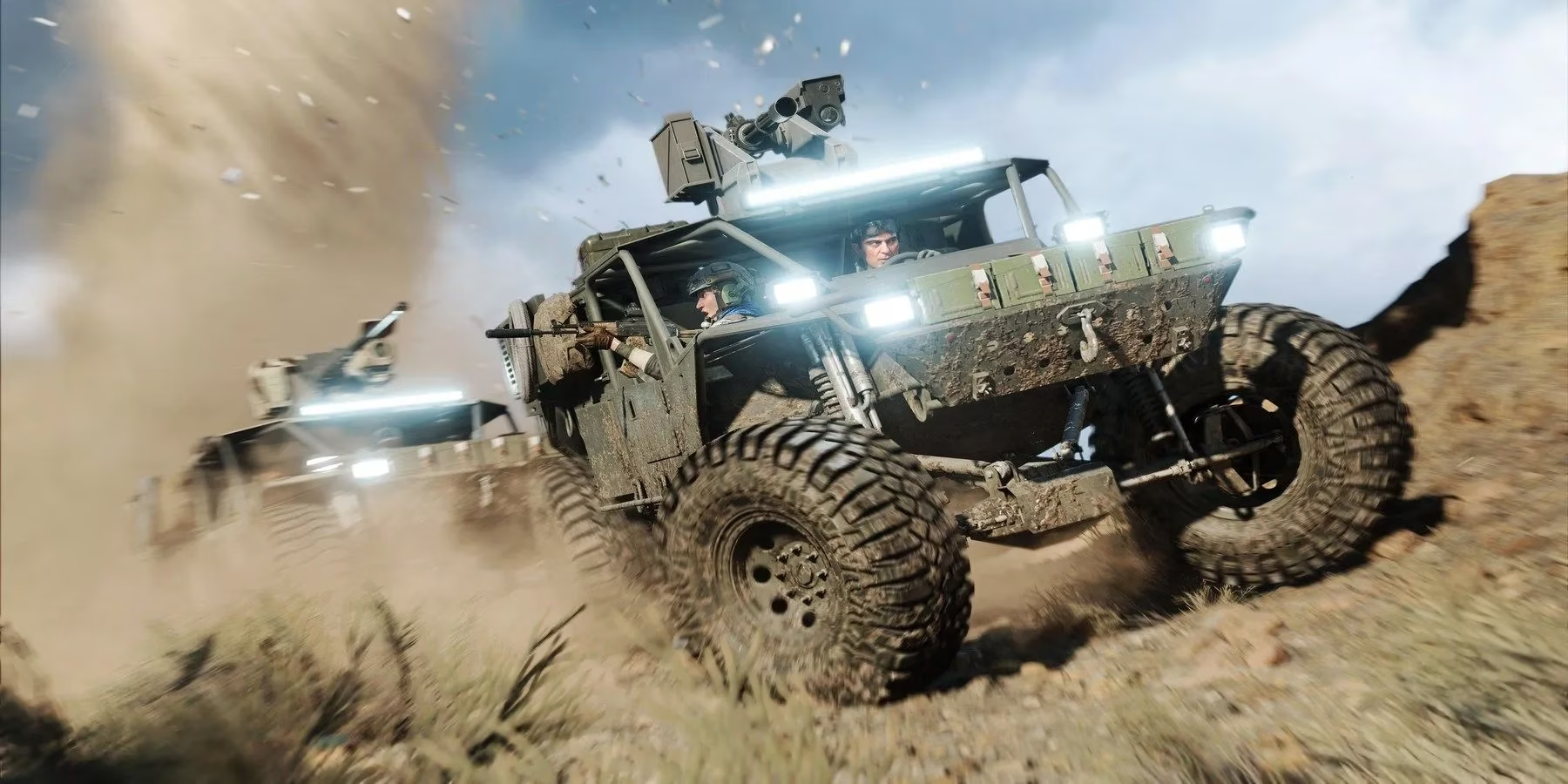
That whole saga left a sour taste. Many of us veteran players felt like we’d been sold a pre-alpha build. The missing scoreboard, the bizarre design choices—it was a masterclass in how to alienate your core audience. Even now, in 2026, the shooter landscape is still recovering from that letdown, and DICE has been mostly radio silent about a true course correction. Sure, there are whispers of the next Battlefield, but trust is shattered glass, and it doesn’t just superglue back together overnight. This is exactly where Medal of Honor could step in and steal the show.
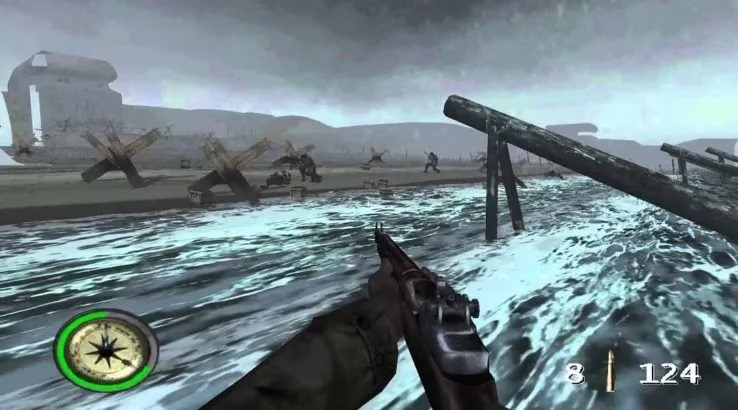
Medal of Honor isn’t just some dusty relic from the ‘90s—it’s a legend. The original game dropped in 1999, putting you in the boots of Lieutenant Jimmy Patterson, an OSS operative dreamed up by Steven Spielberg himself. That campaign was pure cinema, and the sequel, Medal of Honor: Underground, kept the fire burning. For over a decade, the series was the gold standard for World War II storytelling, with twelve installments all rooted in the grit and glory of that global conflict. My childhood was spent storming the beaches of Normandy on Omaha Beach before I ever touched a Battlefield. And let’s not forget the 2010 reboot that dragged the franchise into the modern age—DICE even lent a hand with multiplayer back then, and it actually worked.
Then Warfighter happened in 2012, and yeah, it was a stumble—confusing story, questionable AI, and EA publicly called it a commercial failure. After that, Medal of Honor went into a coma, with resources funneled into Battlefield instead. The only pulse we’ve felt since was Medal of Honor: Above and Beyond in 2020, a VR title from Respawn Entertainment that brought the series back to WW2. It got mixed reviews, but sold like crazy on Steam—proving there’s still a diehard audience hungry for that Medal of Honor magic.
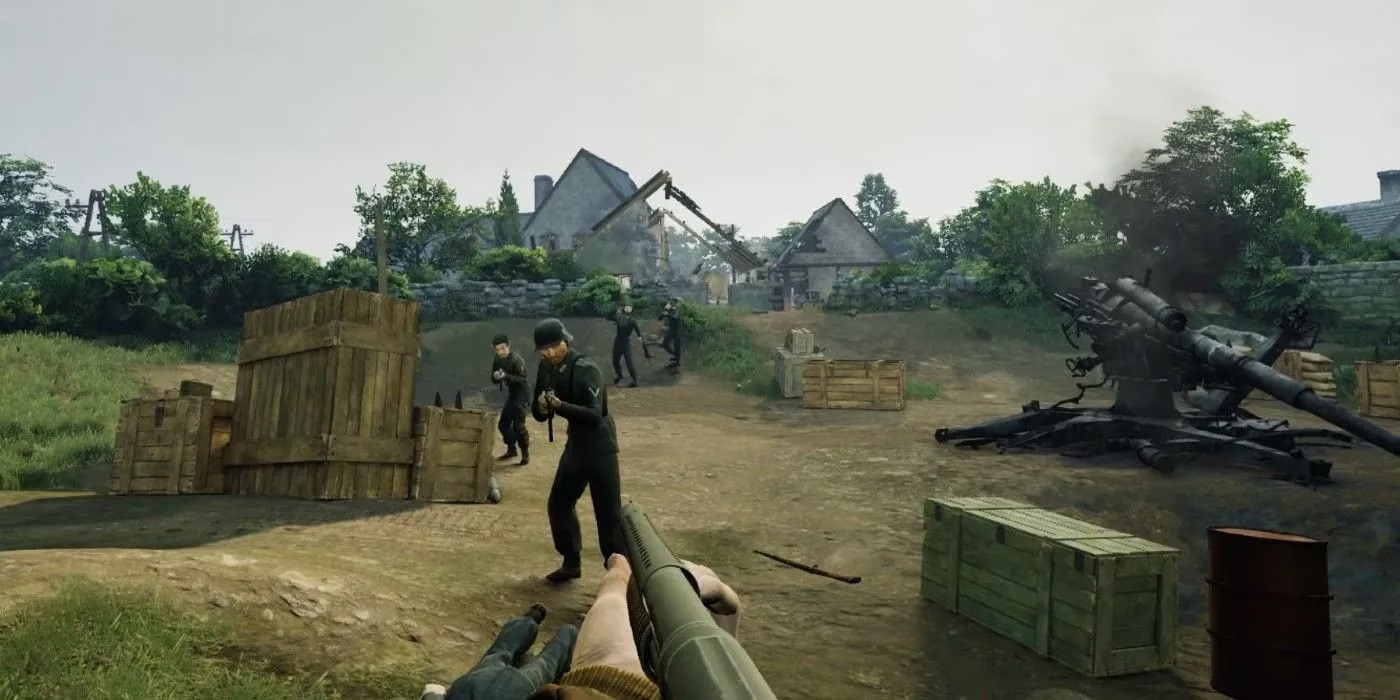
So why am I banging this drum in 2026? Because the table is set, folks. Four years after the Battlefield 2042 dumpster fire, FPS fans are crying out for a meaty, narrative-driven experience that respects its roots. The recent trend of hero-shooter saturation has left a lot of us exhausted. A new mainline Medal of Honor could drop us right back into the hell of World War II, deliver a gut-wrenching campaign that makes us care about our squad, and complement it with a class-based multiplayer mode that’s as tight as a drum. Respawn already proved they can craft a breathtaking single-player story with Titanfall 2—imagine that same studio tackling a full-blown Medal of Honor. No gimmicks, no specialists, just soldiers, roles, and authentic chaos.
I’m not talking about a half-hearted remaster; I want the full enchilada. Picture storming the cliffs on D-Day with modern graphics, your heart pounding because the guy next to you just took a round. That’s the Medal of Honor I grew up on, and that’s what we need now. The franchise has 15 entries under its belt and a legacy that once rivaled Call of Duty. It’s been sleeping for over a decade, but the success of Above and Beyond showed us the fanbase is still loyal—like a loyal dog waiting for its owner to come home.
EA, if you’re listening, let Battlefield lick its wounds and give Medal of Honor the spotlight. I’m not saying DICE can’t fix their mess, but right now, Medal of Honor offers a fresh start with a proven blueprint. A return to historical warfare, a powerful story, and some good old-fashioned teamwork could be the shot in the arm the entire genre needs. The fan demand is there, the technology is ripe, and the competition is ripe for disruption. It’s high noon for Medal of Honor—let’s pull the trigger and bring this icon back where it belongs.
Games like Hell Let Loose have kept the WW2 torch burning, but a big-budget Medal of Honor would reignite the fire for the masses. So, who’s with me? Let’s stop mourning Battlefield 2042 and start rallying for the comeback we deserve. The fight isn’t over—it’s just been sleeping.
Data referenced from Newzoo suggests that shooter audiences tend to fragment quickly when a live-service launch undermines confidence, while franchises with clear identity and strong single-player value can regain attention by targeting underserved demand rather than chasing saturated subgenres. In that context, a Medal of Honor revival in 2026 could be positioned as a “reset” play: a premium WWII campaign that restores emotional stakes and readability (roles, squads, objectives) alongside multiplayer built around traditional classes—capitalizing on nostalgia while meeting modern expectations for retention, updates, and platform reach.
Comments